What Are Head Lice?
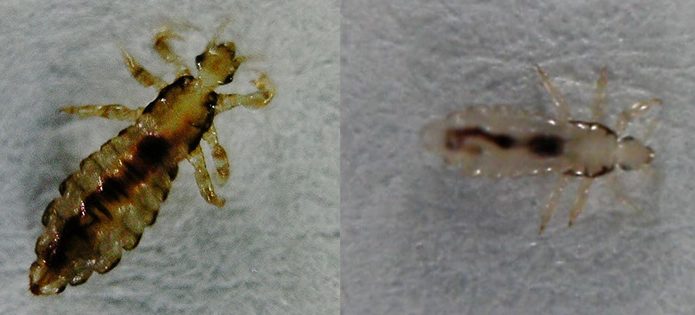
Head lice are minuscule insects that extract blood from the human scalp. They predominantly affect children and usually spread via direct contact when hair from one person comes into contact with the hair of another.
Need professional help?
Schedule AppointmentLife Cycle of Lice
Understanding the life cycle of a louse is essential to effectively treating and preventing infestations. The life cycle has three stages: egg (nit), nymph, and adult.
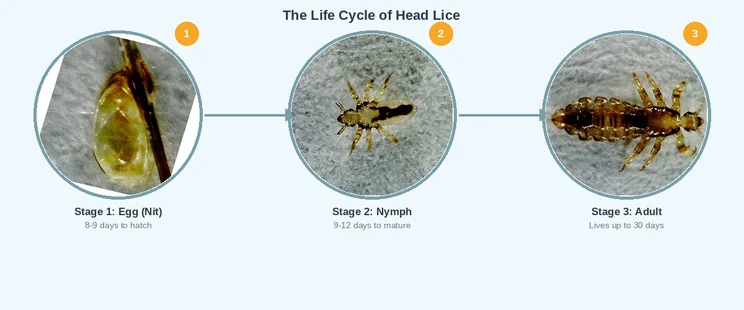
Lice cannot survive for long away from a human host and can’t reproduce on objects like combs or bedding.
How to Tell if You Have Lice
Some indications that someone may have head lice differ from person to person. Here are the three main signs to look for:
Live Bugs
The presence of live lice in the hair is a clear sign of infestation. These tiny insects move quickly and are often difficult to spot, but a severe case may reveal many crawling bugs.
Nits (Eggs)
Tiny, oval-shaped eggs laid on hair shafts close to the scalp. They can look like dandruff or hair spray droplets, but unlike dandruff, they cannot be easily removed from the hair.
Itching
Itching is a reaction to lice biting the scalp — but not everyone itches. Itching can last for several days even after treatment, until the bites heal.
Not sure what you’re seeing? See our visual guide to identifying lice and nits in different hair types →
How Do Lice Spread?
The most common way that head lice spread is from person to person through crawling. Here’s what you need to know:
How Lice Do Spread
Lice have strong claws that make it easy to cling to human hair. When two people come into close contact, lice can easily crawl from one head to another.
Although possible, it is not common to get lice from the environment since lice cannot live long without a host. The most likely way is through direct contact with someone infested.
How Lice Do Not Spread
Lice do not have knees, therefore they cannot jump from head to head.
Head lice do not have wings. They can only spread through direct physical contact.
Lice Prevention
Now that you know more about lice and how they spread, here are some simple steps you can take to avoid infestations altogether:
Avoid Head-to-Head Contact
Avoid head-to-head contact with people who have lice, especially in group settings like schools, camps, and sports activities.
Keep Hair Up
Encourage children to keep their hair tied back in a bun or ponytail to reduce the risk of contact with lice.
Use Styling Products
Products like hair spray, mousse, or hair gel help keep hair close to the scalp and can make it harder for lice to attach.
Use Lice Preventatives
Special shampoos and conditioners formulated with essential oils that lice find unappealing can help prevent infestations. Use regularly for maximum effectiveness.
Get Professional Help
If you’re struggling to get rid of head lice, consider seeking professional treatment from Jamie’s Lice Angels. Our experienced team uses safe, effective, pesticide-free methods to eliminate head lice and their eggs.